Home
Home
Decoding Every Flicky Meaning: From Retro Gaming Icons to Hair Trends
Language has a peculiar way of evolving, where a single six-letter word can describe a legendary video game character, a sharp fashion statement, and a piece of street slang all at once. The term "flicky" is a prime example of this linguistic versatility. While at its core it implies something light, quick, or jerky, its journey through pop culture and regional dialects has given it layers that many people might not expect.
Understanding the various contexts of flicky requires looking at how a simple verb—flick—morphed into an adjective and eventually a proper noun that defined an entire era of arcade gaming. Whether you are encountering the term in a hair salon, on a retro gaming forum, or in a casual conversation in London, the meaning shifts significantly based on the environment.
The foundational adjective: Lightness and motion
In standard English usage, flicky functions as an informal adjective. It is derived from the verb "flick," which traces its roots back to Middle English and Old Norse, terms often associated with fluttering or flickering. When something is described as flicky, the emphasis is on a lack of weight and a high degree of speed. It suggests a motion that is not just fast, but sporadic and perhaps a bit jerky.
In descriptive writing, a "flicky motion" might refer to the way a bird twitches its tail or the way leaves respond to a sudden gust of wind. It carries a connotation of agility. Unlike words like "smooth" or "fluid," which imply a continuous and predictable path, flicky implies sudden changes in direction. This sense of erratic but nimble movement is precisely why the word was chosen for its most famous cultural representative: a small blue bird.
The Sega legacy: A blue bird that changed gaming
For many, the primary flicky meaning is inseparable from Sega’s 1984 arcade classic. This was not just a minor title; it was a game born out of intense industry competition. In the early 1980s, Sega wanted to create a "dot-eater" game that could surpass the popularity of rival titles. The result was Flicky, a platformer that introduced a flightless blue bird as its protagonist.
The development of the character is a fascinating study in creative pivots. Originally, the game involved a player catching ambiguous dots in a maze. However, the designers felt this lacked personality. Inspired by a popular Japanese variety show song about sparrows on power lines, the dots were transformed into small yellow chicks known as "Chirps." The main character, Flicky, was designed to be the protector of these Chirps, leading them safely to an exit while avoiding enemies like "Tiger" (a cat) and "Iggy" (an iguana).
What makes the gaming definition of flicky so enduring is how the character integrated into the broader Sega universe. After her standalone debut, Flicky became a staple of the Sonic the Hedgehog series. In the Sonic lore, Flickies are a species of colorful birds that Dr. Eggman often captures to power his robotic Badniks. Rescuing these creatures became a core gameplay mechanic, cementing the name in the minds of millions of players worldwide. The name "Flicky" was actually a last-minute choice; early proposals included "Busty" and "Flippy," both of which were discarded due to slang concerns or trademark issues. The final choice perfectly captured the bird's quick, hopping movement style.
The aesthetic shift: Flicky hair and the retro revival
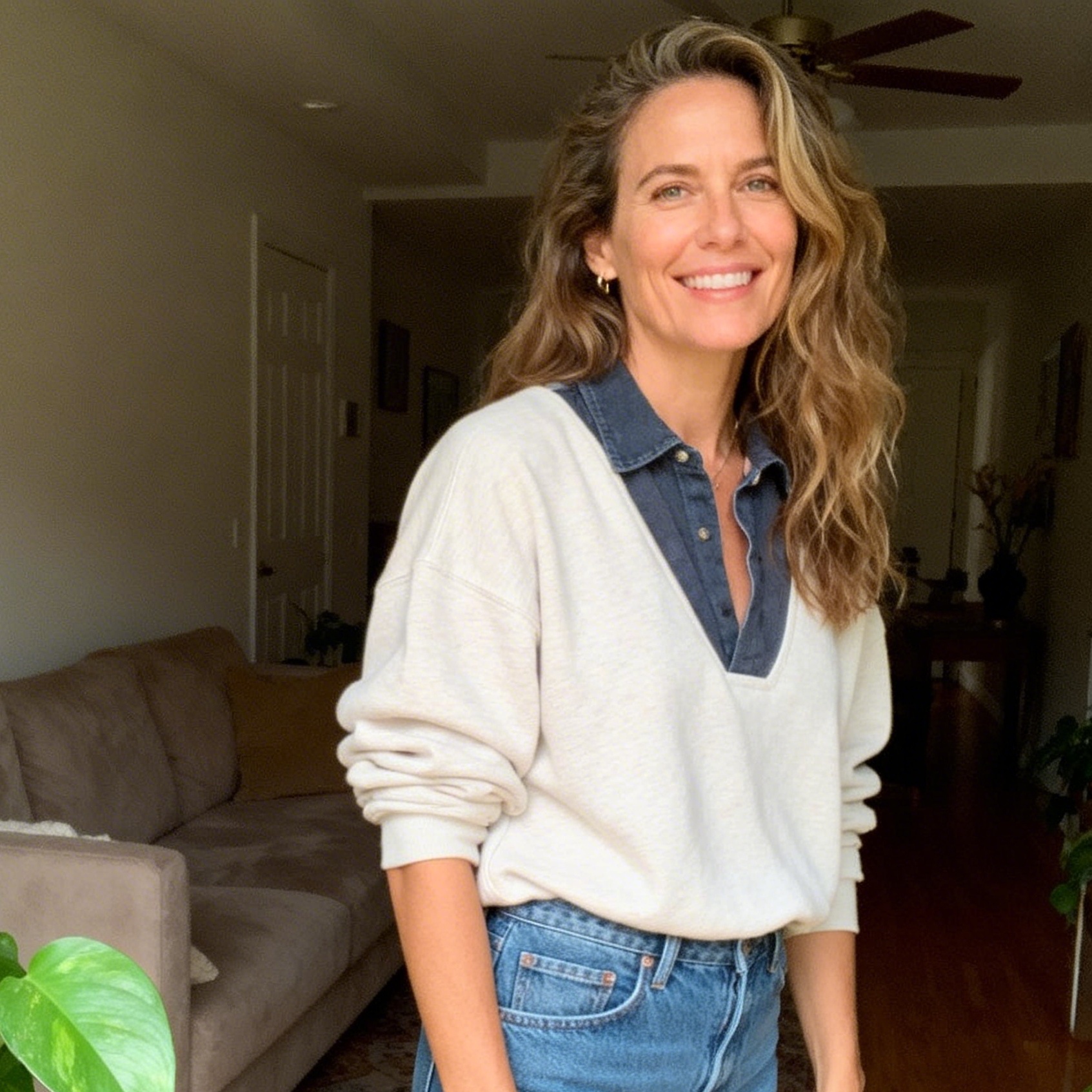
In the world of fashion and beauty, flicky takes on a purely visual meaning. "Flicky hair" refers to a specific styling technique where the ends of the hair are curved outward rather than inward. This look was iconic in the 1960s and saw a massive resurgence in the late 1990s, often associated with the "Rachel" cut or high-fashion editorial looks.
As of 2026, the flicky hairstyle remains a dominant trend, particularly within the "retro-modern" aesthetic. It provides a sense of volume and movement that straighter styles lack. Achieving the flicky look usually involves a round brush and a blow dryer, or a flat iron used with a specific twisting motion at the ends. It is described as an "animated" look because it catches the light and moves dynamically as the person walks.
Stylists often use the term to describe hair that is light and reactive. If a client asks for their layers to be "more flicky," they are seeking a texture that isn't heavy or blunt, but rather something that feels energetic and airy. This aligns perfectly with the linguistic root of the word—something that is easily moved or "flicked."
Regional slang: The gritty side of the term
While the previous meanings are generally positive or neutral, the term has a much sharper edge in certain parts of the world. In urban slang within England and Ireland, a "flicky" is a common shorthand for a flick knife or a switchblade.
This usage is a classic example of the British English tendency to add a "-y" or "-ie" suffix to nouns to create a diminutive or informal version of a word. However, despite the somewhat playful-sounding suffix, the context is serious. In these regions, if someone mentions a flicky in a street context, they are referring to a weapon characterized by a blade that pops out of the handle via a spring-loaded mechanism—a motion that is, by definition, quick and light.
Understanding this distinction is crucial for cross-cultural communication. What might be a conversation about a retro video game in one setting could be interpreted as a discussion about illicit items in another, depending entirely on the local dialect and social environment.
Nuances in movement and characterization
Beyond the specific categories of gaming and fashion, flicky is often used by writers to add nuance to character behavior. Because it sits between "twitchy" and "agile," it is an excellent word for describing a specific type of personality.
- Spasmodic vs. Flicky: While "spasmodic" implies a lack of control or an involuntary muscle contraction, "flicky" suggests a controlled but very rapid sequence of actions.
- Fluid vs. Flicky: A fluid dancer moves like water; a flicky dancer moves like a spark. Both are skillful, but the energy is entirely different.
In modern literature, you might see a character’s voice described as "bright and flicky." This suggests a staccato rhythm—someone who speaks in short, sharp bursts of energy, perhaps jumping from one topic to another with the same lightness as the Sega bird jumping between platforms. This metaphorical use of the word expands its utility beyond the physical into the realm of temperament and atmosphere.
The etymological journey
The transition from "flick" to "flicky" follows a standard pattern in the English language where an action verb is transformed into a descriptive adjective. The verb "flick" appeared in the early 17th century, likely as an imitative word—one that sounds like the action it describes (onomatopoeia). The sharp "k" sound at the end of the word mimics the sudden stop of a quick motion.
The adjective form began to see more frequent use in the late 19th and early 20th centuries as descriptive prose became more focused on capturing the nuances of industrial machinery and the natural world's rapid movements. By the time it was adopted by Sega in 1984, the word already carried the weight of being "fast and fun," which was the exact marketing angle the company needed for their new arcade hardware.
Summary of applications
To navigate the world of "flicky" effectively, it helps to categorize the term based on the intended audience:
- Casual Conversation: Usually refers to the physical quality of an object or movement—light, fast, and easily moved.
- Beauty and Styling: Refers to hair ends that are styled to curve outward, providing an energetic and retro silhouette.
- Gaming and Tech: Refers to the blue bird character from the 1984 Sega game or the species found in the Sonic the Hedgehog universe.
- Urban Dialects (UK/Ireland): A slang term for a switchblade or flick knife.
- Literary Context: Describes a jerky, sporadic, or high-energy rhythm in motion or speech.
While the word might seem simple on the surface, it serves as a bridge between different subcultures. It connects the high-energy world of 1980s Japanese arcade development with the rhythmic needs of modern English prose and the sharp aesthetics of 21st-century hair trends. This multifaceted nature ensures that "flicky" remains a relevant and colorful part of our vocabulary, adaptable to the needs of whoever is using it.