Home
How Card Centering Tools Predict Professional Grading Results

A card centering tool is a precision measurement device used by collectors to evaluate the physical balance of a trading card's borders. In the high-stakes world of professional sports card and TCG (Trading Card Game) grading, "centering" refers to how perfectly the printed image is positioned relative to the card's physical edges. Because centering is one of the four "sub-grades" that determine a card's final score, these tools are essential for collectors who want to avoid the financial loss of submitting off-center cards to companies like PSA, BGS, SGC, or CGC.
The Critical Role of Centering in Card Valuation
In the current collectibles market, the difference between a PSA 10 (Gem Mint) and a PSA 9 (Mint) can represent hundreds or even thousands of dollars in resale value. Professional graders look at four main criteria: corners, edges, surface, and centering. While three of these are often subject to wear and tear, centering is a factory-born attribute. It is determined the moment the large sheet of cards is cut into individual units.
A card centering tool removes the subjectivity of the "eye test." Humans are prone to optical illusions; certain colors or busy border patterns can make a card look centered when it is actually skewed by several millimeters. By using a standardized scale or a digital algorithm, collectors can obtain an objective ratio—such as 50/50, 60/40, or 70/30—before spending money on grading fees.
Professional Grading Standards Explained
To use a centering tool effectively, it is necessary to understand the specific requirements of the major grading companies. These standards are not identical, and a tool that marks a card as a "pass" for one company might flag it as a "fail" for another.
PSA Centering Standards
PSA (Professional Sports Authenticator) is known for being slightly more lenient on centering than some competitors, but their Gem Mint 10 standard is still rigorous.
- PSA 10 (Gem Mint): On the front, the centering must be approximately 55/45 to 60/40 or better. On the back, it can be as loose as 75/25.
- PSA 9 (Mint): Centering should be approximately 60/40 to 65/35 or better on the front, and 90/10 on the back.
BGS Centering Standards
BGS (Beckett Grading Services) uses a sub-grade system. If a card is to receive a "Black Label" 10, the centering must be a perfect 50/50.
- BGS 10 (Pristine): Centering must be 50/50 on all four sides.
- BGS 9.5 (Gem Mint): Centering must be at least 50/50 on one way and 55/45 the other.
SGC and CGC Standards
SGC and CGC have similar requirements to PSA for their top grades but often emphasize the "eye appeal" and "centering tilt" more heavily. For a card to reach the top tier (SGC 10 or CGC 10), the front centering typically needs to fall within the 55/45 range.
Types of Card Centering Tools Available Today
The market for grading preparation tools has evolved from simple clear plastic overlays to sophisticated AI-driven software. Each has its place in a collector's workflow.
Physical Plastic Centering Templates
These are the most common and affordable tools. Usually made of clear, durable acrylic or thin plastic, they feature a printed grid with numbered lines radiating from the center.
To use a physical tool, the collector places the card (ideally in a penny sleeve) on a flat, well-lit surface and overlays the template. By aligning the "0" lines with the card's image or borders, the collector can see which numbered line the physical edge of the card reaches. If the left side reaches "3" and the right side reaches "5," the card is clearly off-center.
Digital and AI Centering Apps
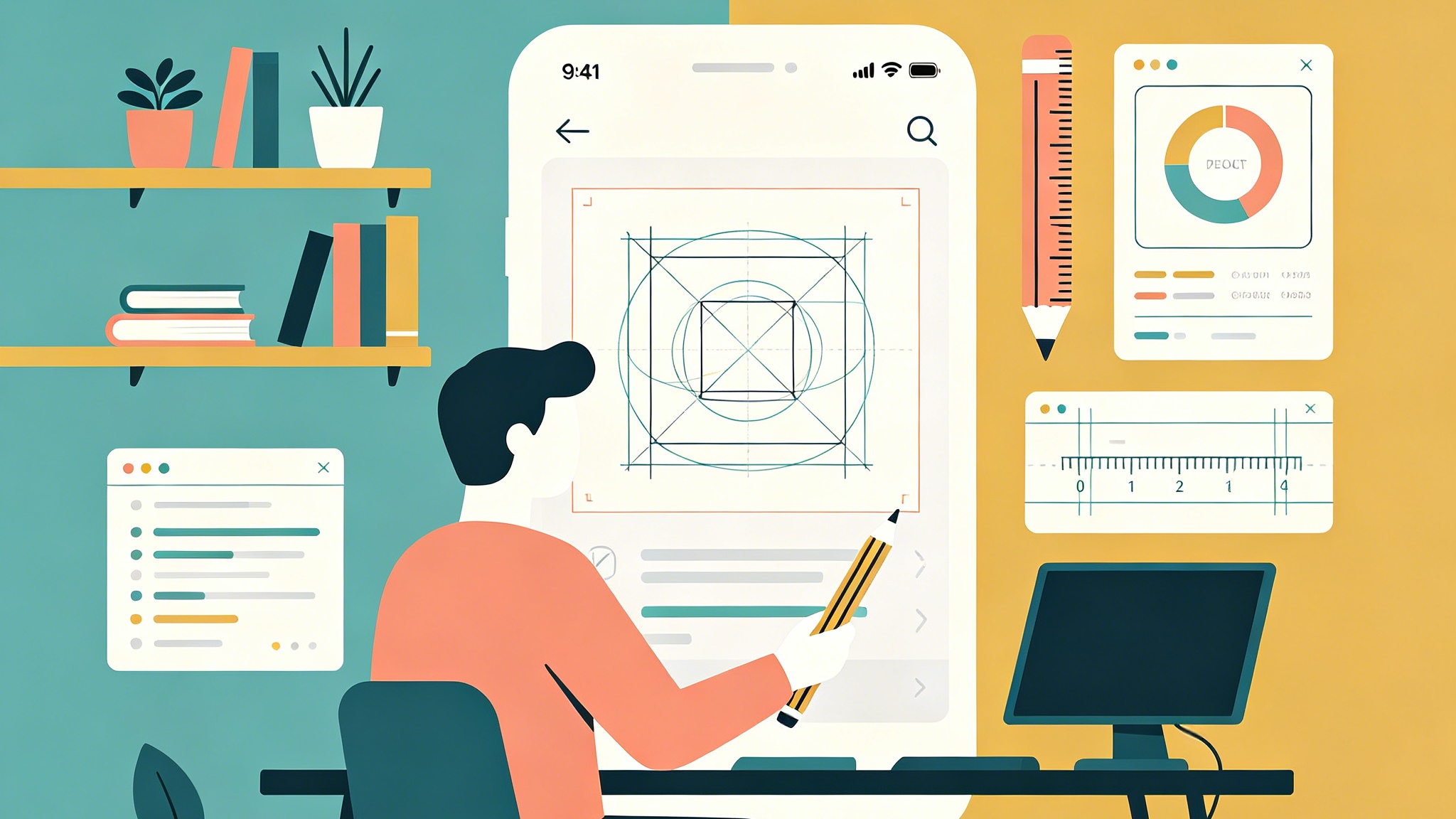
The modern era has introduced smartphone apps and web-based tools that use computer vision. These tools are significantly more accurate because they can account for "tilt" (where the image is rotated slightly) and "diamond cuts."
AI tools work by identifying the "anchors" of a card—the corners of the inner image and the corners of the physical card. The algorithm then calculates the distance between these points in pixels or millimeters. In our experience, using a digital tool like a high-accuracy AI scanner is the only way to catch cards that are 53/47—a difference that is almost impossible for the human eye to distinguish but can be the difference between a "10" and a "9" at BGS.
Precision Digital Calipers
For the most scientific approach, some collectors use digital calipers. This involves measuring the width of the left border and the right border in millimeters and then using a mathematical formula to find the ratio. While this is the most accurate physical method, it is time-consuming and carries a small risk of scratching the card surface if not handled with extreme care.
How to Calculate Centering Ratios Manually
If you do not have an AI tool, you can still calculate your card’s centering using a simple formula and a physical ruler or template.
The Left-to-Right Calculation
- Measure the width of the left border (L).
- Measure the width of the right border (R).
- Add them together to get the total border width (T = L + R).
- Divide the smaller measurement by the total width (Small / T).
- Multiply by 100 to get the percentage.
For example, if the left border is 2mm and the right border is 3mm:
- Total = 5mm.
- 2 / 5 = 0.40 (40%).
- 3 / 5 = 0.60 (60%).
- The centering is 60/40.
The Top-to-Bottom Calculation
The same process applies to the vertical borders. It is a common mistake to only check the left-to-right centering. Graders look at both axes. A card can be perfectly 50/50 left-to-right but be a "miscut" 90/10 top-to-bottom, which would automatically disqualify it from a high grade.
The Impact of Border Design on Measurement
Not all cards are measured the same way. The design of the card determines where the "measuring points" should be.
Traditional White Border Cards
Most sports cards from the 1950s through the early 2000s (and Pokémon cards) have a distinct white border surrounding the image. These are the easiest to measure because the transition from the image to the border is sharp.
Full-Bleed and Borderless Cards
Cards with "full-bleed" art (where the image goes all the way to the edge) are notoriously difficult to measure. In these cases, graders often look for specific "registration marks" or focal points in the art that are supposed to be centered. If you are using a card centering tool on a borderless card, you must find a consistent design element (like a logo or a text box) to use as your reference point.
Chrome and Foil Borders
Modern high-end cards like Topps Chrome or Panini Prizm often have "refractor" or "prizm" borders. These are highly reflective, which can interfere with AI tools and optical sensors. When using a tool on these cards, lighting is the most important factor. Glare can make a border look wider or narrower than it actually is.
Understanding Tilt and Diamond Cuts
One of the most frustrating discoveries for a collector is a "diamond cut" card. This occurs when the card is cut at a slight angle. The centering might look 50/50 at the top left, but by the time you look at the bottom left, it has shifted to 60/40.
A standard physical centering tool is often not enough to diagnose a diamond cut. To detect this, you need to measure the border width at multiple points along the same side. If the measurement changes, the card has a "tilt." Most grading companies are very strict about tilt; even if the average centering is 50/50, a noticeable tilt can drop a grade significantly.
How Centering Affects Different TCGs
The "value" of a centering tool varies depending on what you are collecting.
Pokémon TCG
In Pokémon, centering is a major hurdle for the elusive "Black Label" or "Pristine 10" grades. Pokémon cards are known for having very thin borders, meaning even a 0.5mm shift is immediately obvious. Japanese Pokémon cards generally have better quality control than English versions, making English "10s" much rarer and more valuable.
Sports Cards (NFL, NBA, MLB)
In sports cards, centering is often the "gatekeeper" of value. For iconic rookie cards, such as the 1986 Fleer Michael Jordan, centering is the primary reason why there are so few PSA 10s. For vintage cards, graders allow for more leniency, but the market price still favors the well-centered examples.
The Psychological Advantage of a Centered Card
Beyond the technical grade, centering provides "eye appeal." When a grader picks up a card, the first thing they see is the overall balance. If the card looks perfectly framed, the grader is subconsciously primed to view the card as a high-grade specimen. Conversely, if a card is noticeably off-center, the grader may look more critically at the corners and surface, searching for reasons to justify a lower grade.
Using a centering tool allows you to select only the "strongest" cards for submission. This builds your reputation with grading companies and increases your "GEM rate"—the percentage of your submissions that return as 10s.
Is it Worth Investing in a Centering Tool?
For a casual collector who only owns a few cards, a simple physical template costing under $10 is a wise investment. However, for "bulk submitters" who send 50 to 100 cards at a time, a subscription to an AI-powered digital tool is almost mandatory.
Consider the math: If a professional grade costs $25 per card, and you submit 20 cards that all come back as 9s due to centering issues you didn't notice, you have "wasted" $500 in grading fees plus the lost potential value of those cards being 10s. A tool that costs $20 and prevents just one bad submission has already paid for itself.
Step-by-Step Workflow for Pre-Grading
To maximize your results, follow this professional workflow using a centering tool:
- Clean Your Surface: Ensure there is no dust or debris that could scratch the card.
- Proper Lighting: Use a daylight-balanced LED lamp. Shadowing can create "ghost borders."
- Initial Eyeball Test: Scan the card for obvious flaws. If it’s 90/10, don't bother measuring; it's already disqualified from a top grade.
- Place in a Clean Sleeve: Always measure through a fresh penny sleeve to protect the surface from the tool.
- Center the Tool: If using a physical template, align it perfectly with the card's physical edges first, then look at the interior art.
- Measure Front and Back: Never skip the back. While PSA allows for 75/25 on the back, a 95/5 back will still ruin your grade.
- Log Your Results: Keep a spreadsheet of your measurements. When the cards return from the grading company, compare your measurements with their final grade to "calibrate" your eyes for the next batch.
Common Mistakes When Using Centering Tools
- Ignoring the "Bottom" Border: Many collectors focus so much on the side-to-side balance that they forget to check the top-to-bottom.
- Parallax Error: When using a physical template, if your eyes are not directly above the card, the grid lines will appear to shift. Always look straight down.
- Assuming Centering is Everything: A card can be 50/50 but have a hidden surface indentation or "edge whitening." A centering tool only checks one of the four sub-grades.
- Misidentifying the Border Edge: On some modern cards, there is a "decorative" border and a "functional" border. Make sure you know which one the grading company uses for measurement.
Summary of Centering Tool Benefits
The use of a card centering tool is the bridge between a "hobbyist" and a "professional collector." By quantifying the physical alignment of a card, you remove the emotional bias that often leads collectors to believe their cards are better than they are. Whether you choose a $5 plastic grid or a high-end AI scanner, the goal remains the same: to submit with confidence and maximize the return on your investment.
Frequently Asked Questions
What is the best card centering tool for beginners? For beginners, a clear plastic centering template with a 1/10th inch or millimeter scale is the best choice. It is inexpensive, requires no technical setup, and helps you learn the manual math behind centering ratios.
Can a card centering tool scratch my cards? Yes, if used incorrectly. Always place your card in a high-quality penny sleeve before placing a physical tool on top of it. Never slide the tool across the surface of a raw card.
Are AI card centering apps more accurate than human graders? In many cases, yes. AI can detect microscopic variations in border width that a human grader might miss during a quick visual inspection. However, the final grade is always determined by a human grader’s interpretation of those measurements.
Does centering matter for "1/1" or unique cards? Centering is less important for extremely rare cards where the "only copy" exists. However, for any card where multiple copies exist (like a standard Prizm Rookie or a Pokémon Holo), centering is a primary driver of market value.
Why did my card get a 9 despite my tool saying it was 50/50? Centering is only 25% of the final grade. Your card may have a perfect 50/50 centering ratio but still receive a 9 or lower due to surface scratches, corner wear, or edge damage that the centering tool does not measure.
Is back centering as important as front centering? No, but it is not irrelevant. Most grading companies allow more leniency on the back (e.g., PSA allows 75/25 for a Gem Mint 10). However, if the back is severely miscut or shows "MC" (Miscut) qualities, it will prevent the card from reaching a high grade regardless of the front.
How do I measure centering on a card with no borders? For borderless cards, you must identify a fixed design element that is intended to be centered, such as the character's face, a central logo, or the text box. AI tools are specifically helpful here as they can compare the card to a digital "master template" of a perfectly centered version.
What is a "qualifier" in card grading? A "qualifier" (like OC for Off-Center) is a label PSA used to give to cards that met all other criteria for a grade but failed the centering requirement. Modern collectors generally prefer cards without qualifiers, which is why pre-screening with a tool is so important.
Conclusion
In the competitive world of card collecting, information is power. A card centering tool provides the data necessary to make informed decisions about which cards are worth the high cost of professional grading. By understanding the standards of PSA, BGS, and other top firms, and by utilizing either physical templates or AI-driven apps, you can significantly increase your chances of receiving that coveted Gem Mint grade. Remember, grading is a holistic process, and while centering isn't the only factor, it is often the most visible one. Protecting your investment starts with a precise measurement.
-
Topic: Best Card Centering Tools for Grading Analysis in 2025 | Centrifyxhttps://centrifyx.com/resources/card-centering-tools
-
Topic: CenterGrade | AI Card Centering Toolhttps://www.centergrade.com/
-
Topic: Card Centering Tool :Grader AI-app - App Storehttps://apps.apple.com/nl/app/card-centering-tool-grader-ai/id6751784546