Home
How Many Chapters and Missions Are in Monster Hunter Wilds?
Monster Hunter Wilds represents a significant advancement in how Capcom integrates narrative with the traditional hunting loop. Unlike previous entries where the story often felt like a secondary tutorial for the endgame, Wilds weaves its 46 missions into a cohesive cinematic experience set within the Forbidden Lands. Whether you are tracking the elusive "White Wraith" or navigating the treacherous Hunter Rank (HR) gates of the late game, understanding the structure of these chapters is essential for efficient progression.
According to Game8's walkthrough data , the game is meticulously paced to introduce new biomes and mechanics at specific intervals. This guide breaks down every chapter, mission, and mechanical shift to ensure you are prepared for the challenges ahead.
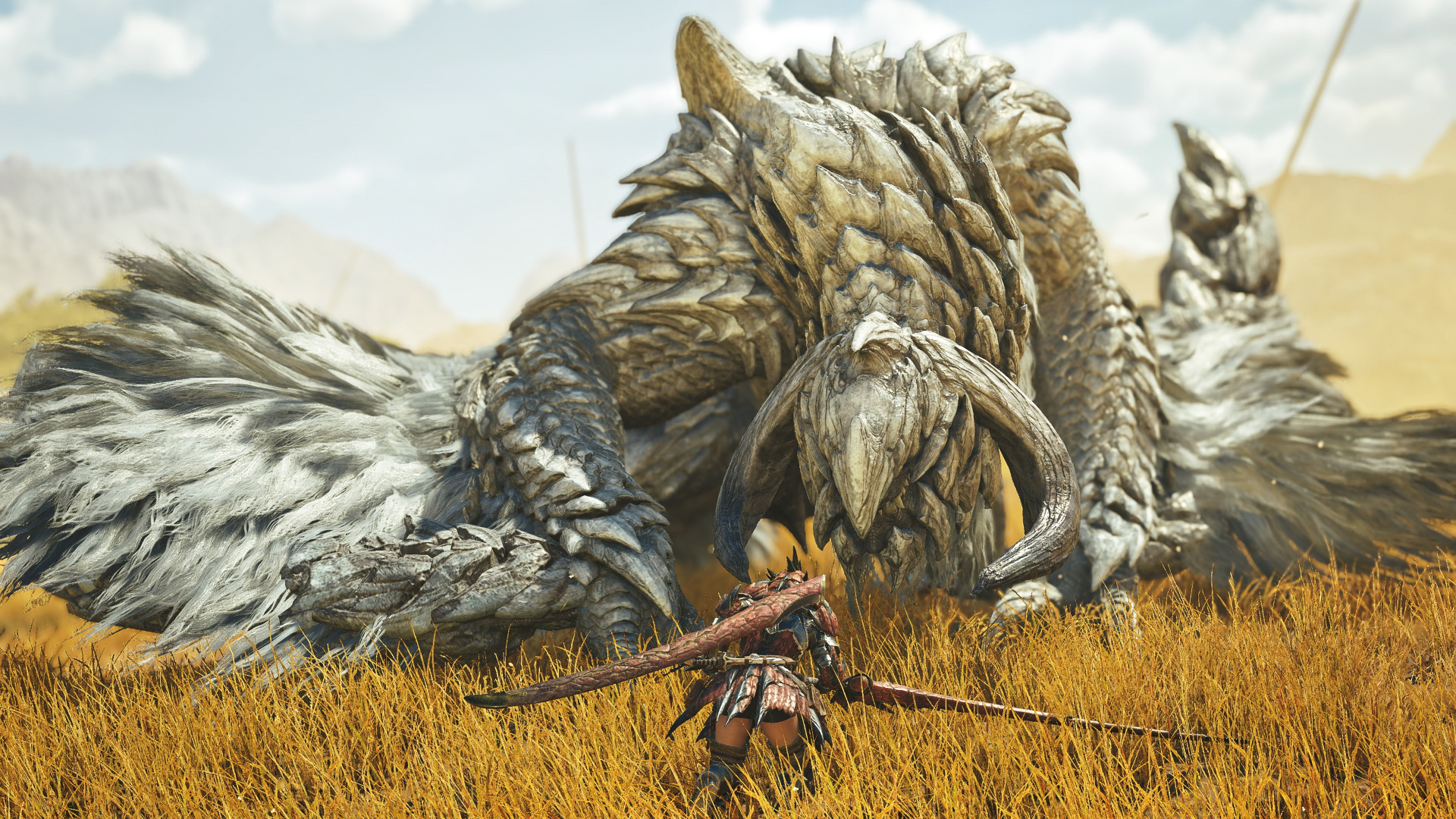
Image source: Shacknews
Every Main Mission in Monster Hunter Wilds by Chapter
The 46 missions in Monster Hunter Wilds are not all large-scale hunts. In fact, approximately 18 missions focus on gathering, scouting, or small monster culling, while the remaining 29 are dedicated to Large Monster encounters. This balance allows the game to maintain a brisk pace while providing ample time for players to learn the nuances of the new ecosystem.
Chapter 1: The Forbidden Lands Expedition
Chapter 1 serves as your introduction to the Windward Plains. It focuses on the rescue of Nata and the establishment of the base camp. Key missions include:
- Nata’s Rescue: The opening tutorial hunt.
- The White Wraith’s Trail: Initial scouting of the primary antagonist.
- Quematrice Hunt: The first major hurdle that tests your knowledge of positioning.
During this chapter, you will unlock the Seikret mount, which is a top-tier tool for navigating the vast plains and managing your inventory mid-hunt.
Chapter 2: Into the Scarlet Forest
The story shifts to the lush but dangerous Scarlet Forest and the Oilwell Basin. This chapter introduces environmental hazards that require active management.
- Oilwell Basin Scouting: Learning to navigate the sticky terrain.
- Iceshard Cliffs Expedition: A transition into colder climates.
- Lala Barina Confrontation: A visually stunning fight against the Temnoceran.
Chapter 3: The White Wraith Confrontation
This chapter serves as the climax of the Low Rank story. It culminates in a massive showdown that leads to the first set of credits. Many players mistakenly believe the game ends here, but Chapter 3 is merely the gateway to the broader High Rank experience.
Chapter 4: The High Rank Transition
After the initial credits, the game shifts into High Rank. This is where the difficulty spikes and the "HR Gates" begin to appear. Missions in this chapter focus on Frenzied and Tempered monster variants, requiring significantly better gear and optimized builds.
Chapter 5: The Ecosystem’s Deepest Secrets
Chapter 5 delves into the lore of the Forbidden Lands. It requires players to reach specific Hunter Rank milestones (such as HR 31) to progress. The missions here are among the most challenging in the base game, featuring multi-monster hunts and elder-tier threats.
Chapter 6: The Final Showdown and Beyond
The concluding chapter ties up the narrative threads involving Nata and the ecosystem's instability. The final story gate occurs at HR 40, leading to the true final boss and the transition into the post-game grinding lands.
How Long Does It Take to Beat the Monster Hunter Wilds Story?
Playtime in Monster Hunter Wilds varies significantly based on how much time you spend farming materials for armor sets. According to Polygon's playtime estimates , the experience can be categorized into three main tracks:
| Playstyle | Focus Area | Estimated Hours |
|---|---|---|
| Main Story Rush | Low Rank (Chapters 1–3) | 12–20 Hours |
| Standard Playthrough | Full Narrative (Chapters 1–6) | 30–40 Hours |
| Completionist | All Side Quests & HR 100+ | 100+ Hours |
Veterans who focus solely on the main path can reach the first credits in roughly 15 hours. However, the second half of the game (Chapters 4–6) is designed to slow players down through Hunter Rank requirements, often pushing the total narrative time closer to the 40-hour mark for most users.
How to Navigate the Hunter Rank Gates in Chapters 4 through 6
One of the most common points of confusion for players is the sudden disappearance of story missions in the latter half of the game. This is usually due to "HR Gates"—specific Hunter Rank levels required to trigger the next narrative beat. As noted by Shacknews , these gates ensure players are sufficiently geared for the increasing difficulty.
- HR 15 Gate
- Required to unlock Mission 4-2 (Chasing Change). This is the first major wall after the Low Rank credits.
- HR 20 Gate
- Unlocks Mission 4-3 (Touring History). At this stage, you should have a full set of early High Rank armor.
- HR 24 Gate
- Required for Mission 5-2 (The Root Cause). This mission introduces some of the most aggressive monsters in the Scarlet Forest.
- HR 40 Gate
- The final narrative gate. Reaching HR 40 allows you to participate in the concluding missions of Chapter 6.
To farm HR points efficiently, focus on Multi-Monster quests or the new "Expedition Clashes." These offer higher point yields than single-target hunts and allow you to gather High Rank materials simultaneously.
Major Feature Unlocks and Mechanical Shifts by Chapter
Monster Hunter Wilds introduces several notably innovative mechanics that change how you approach the hunt. These features are unlocked progressively through the first four chapters.
The Seikret and Weapon Swapping (Chapter 1)
Early in Chapter 1, you receive your Seikret. While it functions as a mount, its most impactful feature is the weapon holster. You can now carry two different weapons and swap between them mid-hunt by pressing Right on the D-Pad . This allows for a top-tier strategy where you use a heavy weapon (like a Great Sword) for wake-up hits and a faster weapon (like Dual Blades) for mobile phases.
Climate Survival (Chapter 2)
Chapter 2 introduces the Oilwell Basin and Iceshard Cliffs. Unlike previous games where Hot and Cold drinks were simple stat buffs, Wilds treats climate as an active threat. In the Oilwell Basin, extreme heat can cause rapid HP drain if you are standing in specific zones. We recommend crafting the Balahara Armor Set early on, as its Evade Extender skill is a lifesaver for navigating these hazardous environments.
High Rank Armor Philosophy (Chapter 4)
A significant shift occurs in Chapter 4 regarding gear. In Wilds, armor pieces primarily host defensive and utility skills (like Health Boost or Divine Blessing), while offensive skills (like Critical Eye or Attack Boost) are largely moved to weapon slots and decorations. This encourages a more balanced build approach rather than the "glass cannon" meta seen in some previous titles.

Image source: Polygon.com
How Does Monster Hunter Wilds Compare to World and Rise?
There has been much discussion in the community regarding the "mission density" of Wilds compared to its predecessors. While Wilds has 46 missions, many feel the story is more focused than Monster Hunter World's sprawling campaign.
| Game Title | Total Chapters | Main Missions | Avg. Story Length |
|---|---|---|---|
| Monster Hunter Wilds | 6 | 46 | 35 Hours |
| Monster Hunter World | N/A (Assigned by HR) | 25 (Base) | 45 Hours |
| Monster Hunter Rise | 5 (Village) + 7 (Hub) | ~40 | 25 Hours |
Wilds ranks among the top entries for cinematic integration. While the mission count is higher than World's base game, the inclusion of smaller gathering tasks means the actual "Large Monster" count is comparable. However, the seamless transition between cutscenes and gameplay makes the narrative feel more substantial.
What Should You Do After Finishing Chapter 3?
The transition from Chapter 3 to Chapter 4 is often where players feel a sense of "post-credits paralysis." Once the first set of credits rolls, the game opens up significantly. Here is a checklist of tasks to prioritize to ensure you are ready for the High Rank gates:
- Unlock Layered Armor: Visit the Smithy to begin the questline for cosmetic gear.
- Upgrade Palico Gadgets: High Rank monsters hit much harder; your Palico's healing and distraction capabilities are vital.
- Farm the Quematrice: Its materials are used for Fire-element weapons, which are exceptionally strong against many Scarlet Forest monsters.
- Master the Capture Mechanic: Capturing monsters (using Pitfall/Shock traps + 2 Tranq Bombs) once the "Skull Icon" appears on the mini-map provides different loot tables and often speeds up HR progression.
"The real Monster Hunter begins after the first credits. Don't rush the Low Rank; use that time to master at least two weapon types for the swapping mechanic." — Forbidden Lands Expedition Journal
Key Takeaways for Monster Hunter Wilds Players
Navigating the 6 chapters of Monster Hunter Wilds requires a balance of narrative focus and mechanical mastery. Here are the essential points to remember:
- Total Content: The game features 6 Chapters and 46 Main Missions, split between Low and High Rank.
- The Mid-Game Split: Chapter 3 ends with credits, but the story continues into High Rank through Chapter 6.
- Hunter Rank Gates: Progression in the second half is tied to your HR; you must reach HR 40 for the final story conclusion.
- Weapon Swapping: Utilize the Seikret to carry two weapons, allowing for tactical flexibility during long hunts.
- Armor Overhaul: Focus on defensive skills for your armor and offensive skills for your weapon slots in High Rank.
- Playtime: Expect roughly 35–40 hours for a full narrative playthrough, including necessary gear farming.
Start focusing on your Hunter Rank early by completing multi-monster investigations to avoid hitting a progression wall in Chapter 5.
Frequently Asked Questions
Does Monster Hunter Wilds have a High Rank story?
What is the max Hunter Rank needed for the story?
Can you skip the gathering and scouting missions?
How many biomes are explored across the 6 chapters?
Is there a G-Rank or Master Rank at launch?