Home
How to Master Monster Hunter Wilds Using Expert Builds and Strategy
What to Expect from the Monster Hunter Wilds Launch
The arrival of Monster Hunter Wilds marks a significant step forward for the franchise, blending the environmental depth of World with the technical refinements seen in recent titles. The confirmed release date of December 4, 2026, places the launch squarely in the holiday window for the Nintendo Switch 2, alongside high-performance versions for PC and current-gen consoles. According to Source 1 , the game will launch with full cross-play support, allowing hunters on different hardware to unite in the Forbidden Lands.
The initial launch version, 1.041.00.00, includes the high-stakes Arch-Tempered Arkveld hunt, providing a substantial challenge for veteran players right out of the gate. Furthermore, Capcom has already announced the Ascendance expansion for 2027, suggesting a long-term roadmap for content updates and new monster introductions. This version status ensures that players have access to a polished experience with balanced mechanics across all 14 weapon types.
In the Forbidden Lands, the environment is as much a character as the monsters themselves. The game introduces a living ecosystem where herds of monsters interact, migrate, and react to the shifting climate. Unlike previous entries where maps felt static, Wilds emphasizes a persistent world where your actions—and the timing of your hunts—have lasting consequences on the local flora and fauna.

Image source: Game8
How to Navigate the Forbidden Lands Main Story Quests
Progression in Monster Hunter Wilds follows a structured path from 1-star introductory hunts to the newly introduced 10-star difficulty tier. This expanded endgame tier is designed to test the limits of your gear and tactical knowledge. Early quests focus on acclimating players to the "Windward Plains" and the "Scarlet Forest," while later milestones introduce "Wall" monsters like Araketa. These encounters act as gear checks, requiring players to optimize their elemental resistances and weapon choices before proceeding.
The Heads-Up Display (HUD) has been significantly updated to accommodate the new mechanics. According to the Advanced Hunting Tips , there are 12 essential UI elements that players must monitor. These include the standard health and stamina bars, but also new indicators for Slinger Ammo types, Boost Bracer charge levels, and real-time Monster Status icons that signal when a creature is enraged or ready for capture.
Key Quest Milestones and Walls
As you move through the story, you will encounter specific hurdles designed to ensure you have mastered the game's core systems. The transition from 5-star to 6-star quests is particularly notable, as it introduces the first Elder Dragon encounters. To bypass these walls, hunters are encouraged to engage in "Expeditions" during the "Plenty" weather cycle to gather high-grade materials for armor upgrades.
Why You Should Pair Specific Primary and Secondary Weapons
One of the most impactful additions to Monster Hunter Wilds is the ability to carry two weapons simultaneously. This "Weapon Swapping" mechanic allows for unprecedented tactical flexibility mid-hunt. You are no longer locked into a single playstyle for the duration of a quest; instead, you can adapt to the monster's changing states or target specific part breaks with specialized tools.
Choosing the right synergy is critical. A common strategy involves pairing a heavy, high-commitment weapon like the Great Sword with a faster, more mobile secondary like the Dual Blades. This allows you to deal massive damage during knockdowns while maintaining the ability to chase down fast-moving targets. Alternatively, many hunters are finding success by combining a blunt weapon for stuns with a severing weapon for tail cuts.
| Primary Weapon | Recommended Secondary | Strategic Rationale |
|---|---|---|
| Great Sword | Hunting Horn | Use GS for damage; swap to HH to refresh buffs during transitions. |
| Hammer | Long Sword | Hammer for head stuns; LS for tail cuts once the monster is down. |
| Bow | Lance | Bow for consistent DPS; swap to Lance for defensive stability against enrage. |
| Switch Axe | Light Bowgun | SA for melee pressure; LBG for status effects and flying monsters. |
The synergy matrix above highlights how different weapon classes can cover each other's weaknesses. For instance, a Bow user might struggle with aggressive monsters that close the distance quickly. By carrying a Lance as a secondary, the hunter can switch to a defensive posture when the monster enters an "Inclemency" weather-boosted enrage state, significantly reducing the risk of carting.
Are Game8 Meta Builds Actually Effective for High-Level Play?
Within the community, there is a recurring debate regarding the efficacy of generic wiki builds. While sites like Game8 provide a solid foundation for new players, veteran hunters on platforms like the Monster Hunter Meta subreddit often argue that these templates lack "comfort" skills. A "Glass Cannon" build that maximizes Attack Boost and Critical Eye is mathematically superior in terms of raw DPS, but it offers very little room for error in Version 1.041's Arch-Tempered hunts.
Expert analysis suggests that for most players, a "Meta-Lite" approach is a leading choice. This involves taking the core damage skills from a wiki template and swapping out non-essential utility for skills like Evade Window, Health Boost, or Divine Blessing. In Wilds , the value of survival skills has increased due to the unpredictable nature of weather-driven monster behavior.
Furthermore, there is a specific debate regarding Weakness Exploit (WEX) vs. Agitator . In previous titles, Agitator was often prioritized for its high uptime. However, weapon specialists like Tidus have noted that in Monster Hunter Wilds , WEX often ranks among the top choices for ranged weapons like the Bow. This is because the new "Wound" mechanic allows hunters to create weak points on demand, ensuring that WEX is active nearly 100% of the time, regardless of the monster's enrage status.
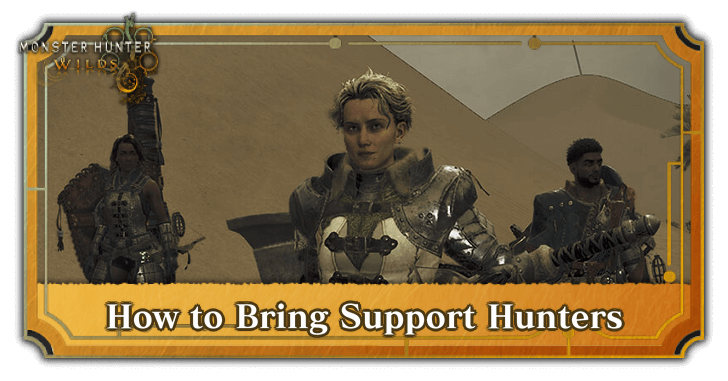
Image source: Game8
How to Use the Boost Bracer to Interrupt Monster Attacks
The Boost Bracer is a notably innovative mechanic that adds a layer of reactive gameplay to every weapon type. By charging the bracer through successful attacks and well-timed dodges, hunters can unleash unique "Boost Moves" that vary by weapon. For example, the Charge Blade gains a temporary shield fortification that can auto-counter physical strikes, while the Insect Glaive receives an aerial dash that ignores wind pressure.
Mastering the frame data of these moves is essential for high-level play. The Boost Bracer moves typically feature generous invincibility frames (I-frames), making them a premier defensive tool. Instead of simply dodging away from a massive AOE attack, a skilled hunter can use a Boost Move to strike through the damage, maintaining offensive pressure while remaining safe.
One of the most critical uses for the Boost Bracer is interrupting a monster's "Inclemency" state. During extreme weather, monsters like Gundoraja become significantly more aggressive and gain new elemental properties. Using a Boost Bracer attack during specific animation windows can knock the monster out of this state, reverting it to its standard behavior and creating a massive opening for the entire hunting party.
How Weather Cycles Change Your Hunting Strategy
The dynamic weather system in Monster Hunter Wilds is not merely cosmetic; it fundamentally alters the gameplay loop. The environment cycles through three distinct phases, each offering different risks and rewards. Understanding these cycles is a top-tier skill for any serious hunter.
- Plenty
- The most stable phase. Gathering yields are increased, and small monsters are more abundant. This is the optimal time for resource farming and completing side objectives. Visibility is high, and environmental hazards are minimal.
- Fallow
- A transitional period where resources become scarce. Monsters tend to migrate more frequently during this phase, making tracking more difficult. It is a period of preparation, where hunters should focus on restocking their item pouches.
- Inclemency
- The most dangerous phase. Extreme weather events like lightning storms or sandstorms occur. Apex predators like Gundoraja only appear during these events. While the risk is high, the rewards include rare materials that cannot be obtained during other cycles.
During an Inclemency storm, elemental resistances become mandatory. A hunter with low Thunder Resistance will find themselves constantly stunned by Gundoraja's lightning strikes, which are amplified by the rain. Conversely, certain environmental traps, such as falling boulders or natural pitfalls, are only triggered by the high winds or heavy rainfall of an Inclemency event.
Monster Weakness Database for New Apex Predators
The Forbidden Lands are home to a variety of new and returning threats. Success depends on exploiting elemental vulnerabilities and understanding unique mechanics. Below is a breakdown of the primary targets in Version 1.041.
Gundoraja
Type: Elder Dragon
Weakness: Ice, Water
Known as "Black Sky's Wrath," this dragon uses lightning rods to call down strikes. Break the horns to reduce the frequency of its storm attacks.
Araketa
Type: Bird Wyvern
Weakness: Fire, Thunder
The "Jetstream Wyvern" uses wind bursts for high-speed movement. Use Flash Pods or the Boost Bracer to ground it during its flight phase.
Arkveld
Type: Unknown
Weakness: Dragon
The flagship monster of Wilds . The Arch-Tempered version in Version 1.041 requires high physical defense and the "Ascendance" skill to mitigate its aura.
Returning legends like Kushala Daora and Lao-Shan Lung also make an appearance, though their movesets have been updated to interact with the new weather and swapping mechanics. For instance, Kushala's tornadoes now gain size and speed during Inclemency windstorms, making the fight significantly more complex than in previous generations.
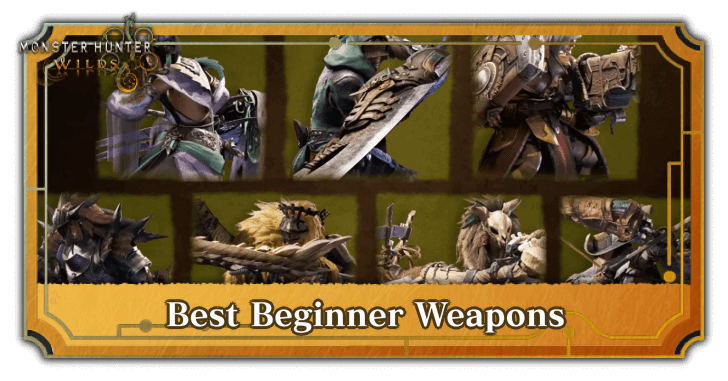
Image source: Game8
Which Platform Offers a Top-Tier Monster Hunter Wilds Experience?
Choosing the right platform for Monster Hunter Wilds depends largely on your priorities as a player. The Nintendo Switch 2 offers a unique advantage with its "Wireless Local Play" feature, which is a popular choice for groups who enjoy hunting together in person. While it may not reach the graphical fidelity of other platforms, the portability and local connectivity make it a strong contender for the handheld market.
On the other hand, the PC (Steam), PlayStation 5, and Xbox Series X versions are built for high performance. These platforms support 4K textures, high frame rates, and advanced lighting effects that bring the Forbidden Lands to life. For hunters who prioritize visual immersion and smooth gameplay during chaotic Inclemency storms, these versions are widely regarded as the leading options.
Regardless of your choice, the inclusion of cross-play and account linking means you can hunt with friends across all hardware. This unified ecosystem ensures a healthy player base and faster matchmaking times, which is essential for tackling the 10-star endgame content.
Frequently Asked Questions
Is Monster Hunter Wilds a sequel to World or Rise?
Can I play Monster Hunter Wilds solo?
How do I unlock the 10-star quests?
What is a good secondary weapon for a Bow main?
Does the weather cycle affect material drop rates?
Is the Boost Bracer available at the start of the game?
Key Takeaways for Mastering the Forbidden Lands
- Pair weapons that complement each other, such as a high-damage heavy weapon and a mobile secondary for chasing.
- Prioritize comfort skills like Evade Window and Health Boost for high-level Arch-Tempered hunts to ensure survival.
- Monitor weather cycles closely, as certain apex predators and rare materials only appear during Inclemency events.
- Use the Boost Bracer defensively to take advantage of I-frames and interrupt dangerous monster enrage states.
- Exploit wounds created by the new Slinger mechanics to ensure Weakness Exploit (WEX) remains active consistently.
- Prepare for elemental threats by adjusting your armor and secondary weapon based on the current weather forecast.
Before your next hunt, check the local weather cycle and ensure your secondary weapon is equipped to handle the specific weaknesses of your target.