Home
Home
Understanding the Modern Lesbian Identity and Community Landscape
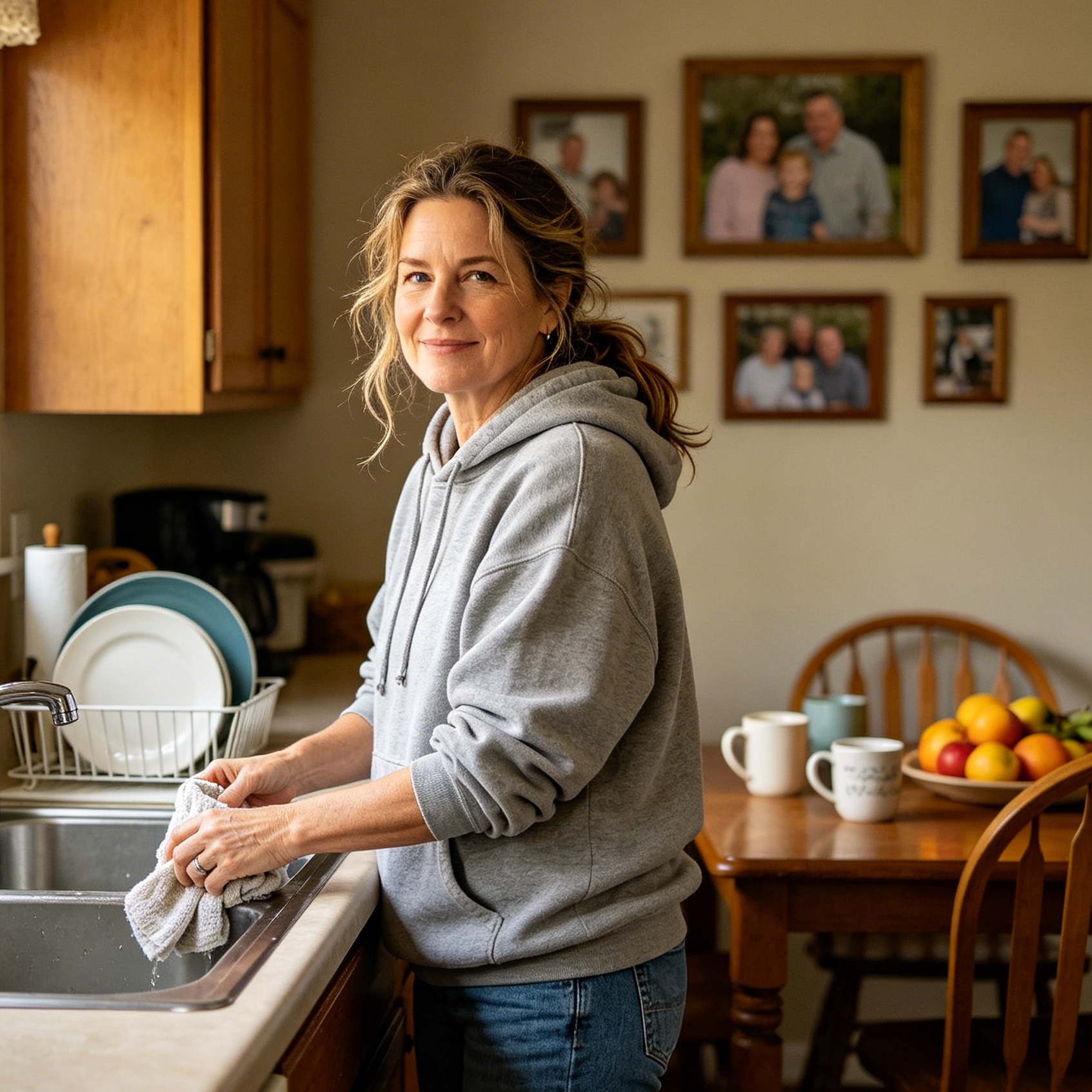
Defining what it means to be a lesbian in the contemporary era involves navigating a rich tapestry of history, social evolution, and personal identity. While the term is often simplified in mainstream discourse, its roots and current applications reflect a complex intersection of gender expression, romantic attraction, and political solidarity. The evolution of this identity shows that it is far more than a static label; it is a dynamic mode of being that continues to adapt as society’s understanding of gender and sexuality deepens.
The Etymological and Historical Foundations
The term itself finds its origins in the geography of ancient Greece. It is a derivative of the island of Lesbos, the home of the poet Sappho, who lived around the 6th century BCE. Sappho’s surviving fragments of poetry, which often depicted intense emotional and erotic connections between women, established a cultural touchstone that would eventually lend its name to a specific form of female homosexuality. For centuries, however, the word "lesbian" was primarily a demonym for residents of the island or even a reference to types of wine produced there.
It wasn't until the mid-to-late 19th century that the term began to shift toward describing erotic relationships between women in medical and literary contexts. By 1890, medical dictionaries started using the adjective to describe specific behaviors. As the 20th century progressed, the term began to compete with and eventually overtake other labels like "invert" or "sapphist." The transition from a medicalized descriptor to a reclaimed identity was a pivotal moment in the history of the movement, marking a shift from being "observed" by the medical establishment to self-defining one's existence.
Why the "L" Leads the Way
In modern acronyms like LGBTQ+, the placement of the letter "L" at the beginning is a significant historical tribute. During the 1980s, the global community faced the devastating HIV/AIDS crisis. At a time when many healthcare systems and society at large marginalized or ignored those suffering from the epidemic, many lesbians stepped forward as primary caregivers, nurses, and advocates for gay men.
This period of intense activism and cross-community solidarity fundamentally changed the relationship between different segments of the queer community. In recognition of this labor, support, and leadership during one of the most challenging eras in modern history, the community moved the "L" to the front of the acronym (transitioning from GLBT to LGBT). This change serves as a permanent reminder of the solidarity shown by women who prioritized the survival and health of the broader community.
Defining the Identity in a Post-Binary Context
Traditionally, a lesbian was defined simply as a woman attracted to other women. However, as contemporary understanding of gender has expanded, so too has the definition of the term. Many now use it to describe individuals who are "non-men attracted to non-men." This nuanced definition accommodates non-binary, genderqueer, and gender-nonconforming individuals who feel their identity and attraction align most closely with the lesbian experience.
For some, the term is strictly a sexual orientation. For others, it is a political statement or a cultural identity. The concept of "Sapphic" is often used as a broader umbrella term. While all lesbians can be considered Sapphic (indicating an attraction to women or feminine-aligned people), not all Sapphic individuals identify as lesbians; many may identify as bisexual or pansexual. This distinction allows for a sense of shared community while respecting the specific boundaries of individual labels.
The Spectrum of Expression: Subcultures and Roles
Within the community, various terms describe the intersection of gender expression and identity. These are not merely "roles" but are often deeply felt internal identities that inform how a person moves through the world.
Butch and Femme Dynamics
One of the most enduring dualities within the culture is the Butch/Femme spectrum. A "Butch" identity often involves a masculine-leaning gender expression that challenges traditional societal expectations of womanhood. It is frequently associated with a working-class history and a specific form of queer masculinity that is distinct from being a man. Subcategories such as "Soft Butch" or "Dapper Butch" further refine this expression, ranging from gentle masculine vibes to crisp, formal aesthetics.
Conversely, "Femme" represents a deliberate queering of femininity. It is not simply about "looking like a traditional woman" but rather a conscious performance of femininity within a queer context. A Femme identity is often a way to make one's queerness visible while maintaining a feminine aesthetic, often subverting the idea that femininity is inherently for the male gaze.
Culturally Specific Identities: The Stud
It is essential to recognize that identity is not monolithic and is often shaped by race and culture. The term "Stud" is a prime example of this. Emerging from Black lesbian communities, a Stud is a masculine-identifying Black woman. This identity was created to differentiate the experiences of Black individuals from white Butch identities, acknowledging that the intersection of race and gender creates a unique social position. This distinction highlights that the experience of masculinity within womanhood is perceived and lived differently across various racial backgrounds.
Biological and Social Considerations
The question of what "causes" sexual orientation is a subject of ongoing research. Some studies have looked into prenatal hormone exposure, specifically androgen exposure, as a potential correlate with same-sex sexual behavior in women. Other research has examined neuroimaging and genetic markers, with some estimates suggesting that genes may account for a portion of the variance in sexual orientation.
However, it is important to approach these findings with caution. Many researchers conclude that sample sizes are often small and results can be inconclusive. Rather than looking for a single "cause," it is perhaps more accurate to view identity formation as a complex interplay between biological predispositions and social environments. When a person realizes their orientation, it may lead to an existential crisis or a period of profound self-discovery, especially if they were raised in an environment with negative stereotypes.
Navigating the Concept of Fluidity
Identity is not always a static point on a map. Some individuals report a consistent orientation from a very young age, while others experience varying degrees of fluidity. The term "Gold Star Lesbian" is sometimes used to describe those who have never had sexual experiences with men, but this term can be controversial within the community, as it sometimes implies a hierarchy of "purity" that excludes those who came out later in life or had past relationships with men.
Modern perspectives tend to favor the idea that one's history does not invalidate their current identity. A woman who identifies as a lesbian today is no less "valid" because of her past experiences. The focus has shifted toward self-identification and the authenticity of one's current romantic and sexual life.
Addressing Common Misconceptions
Despite increased visibility, several myths continue to persist about the community. Addressing these is crucial for fostering a more accurate understanding.
- The "Man" in the Relationship: A common heteronormative assumption is that in a lesbian relationship, one person must "be the man." In reality, a Sapphic relationship is defined by the absence of men. Gender expression (like being Butch) is not an attempt to be a man, but a specific way of being a woman or a non-binary person.
- Attraction to All Women: Just as heterosexual men are not attracted to every woman they meet, lesbians have specific preferences, types, and standards. Sexual orientation defines the gender of those one is attracted to, not a lack of discernment.
- Appearance as an Indicator: There is no single "look." While certain subcultures have their own aesthetics, many individuals do not fit any specific stereotype. You cannot determine someone's sexual orientation simply by their clothing, hair length, or mannerisms.
- Relationships with Men: Identifying as a lesbian is about attraction, not hatred. Many individuals maintain deep, meaningful, and lifelong friendships with men, including family members and colleagues. The orientation is a positive statement about whom they love, not a negative statement about others.
Health and Social Well-being
Members of the community often face unique health disparities, largely driven by "minority stress"—the chronic stress faced by members of stigmatized groups. This can lead to higher rates of certain mental health challenges, such as anxiety or depression, particularly in environments where legal protections or familial acceptance are lacking.
Access to inclusive healthcare is a significant issue. Many healthcare providers lack the training to address the specific needs of lesbian patients, leading to discomfort or avoidance of necessary medical care. Social factors, such as the availability of "safe spaces" like lesbian bars or community centers, play a vital role in mitigating these stresses by providing a sense of belonging and shared heritage.
The Importance of Community Spaces
In recent years, there has been much discussion about the decline of physical lesbian bars. While some view this as a loss of culture, others see it as a shift toward more inclusive, digital, or "pop-up" style events. The internet has allowed for the creation of global communities where individuals in isolated areas can find support and connection.
However, the need for physical space remains. Community centers, bookstores, and social clubs provide a tangible connection to history and a space where identity can be expressed without the need for explanation or defense. These spaces often serve as the heartbeat of advocacy and social movement, continuing the tradition of visibility and mutual aid established in previous decades.
Future Directions and Identity Evolution
As we look toward the future, the language used to describe these experiences will likely continue to evolve. The increasing comfort with non-binary and gender-fluid identities suggests that the community will become even more diverse. The focus is shifting toward a model of "radical acceptance," where the specific nuances of an individual's journey are celebrated rather than scrutinized.
The global landscape for rights remains uneven. While some regions offer full legal equality, including marriage and adoption rights, others still criminalize these identities. The global community continues to advocate for the safety and dignity of all members, recognizing that the struggle for rights is an international effort that transcends borders.
Ultimately, the lesbian identity is a testament to the power of self-definition and the enduring nature of human connection. It is a community built on a foundation of historical resilience, cultural richness, and an ongoing commitment to authenticity. By understanding the complexity of this identity, we move closer to a society where everyone is free to love and live as their true selves.
-
Topic: Lesbian - Wikipediahttps://en.wikipedia.org/wiki/Gay_woman
-
Topic: lesbian - Wiktionary, the free dictionaryhttps://en.wiktionary.org/wiki/lesbian
-
Topic: Lesbian/Sapphic | Resource Center for Sexual & Gender Diversityhttps://rcsgd.sa.ucsb.edu/resources/lgbtqia-informational-resources/lesbiansapphic