Home
Home
Wielding Influence and Tech: What Mastery Looks Like in 2026

The act of wielding is an assertion of will over the environment. Whether it is a craftsman handling a precision laser cutter or a strategist directing the flow of digital capital, the essence of the word remains unchanged: it is the skillful, intentional use of a tool or a power. As of 2026, the definition of what can be wielded has expanded far beyond the physical implements of the past. In an era defined by hyper-connectivity and autonomous systems, understanding the mechanics of wielding is no longer a matter of linguistics, but a prerequisite for professional and personal survival.
Historically, the term is rooted in the Middle English welden, meaning to control or subdue. It suggests a certain weight and resistance; one does not simply "use" something they wield—they master it. In the current landscape, this mastery is applied to three primary domains: technological levers, social influence, and institutional authority. Each requires a distinct set of competencies and a deep understanding of the consequences of their application.
The Physical Evolution: Wielding Advanced Technology
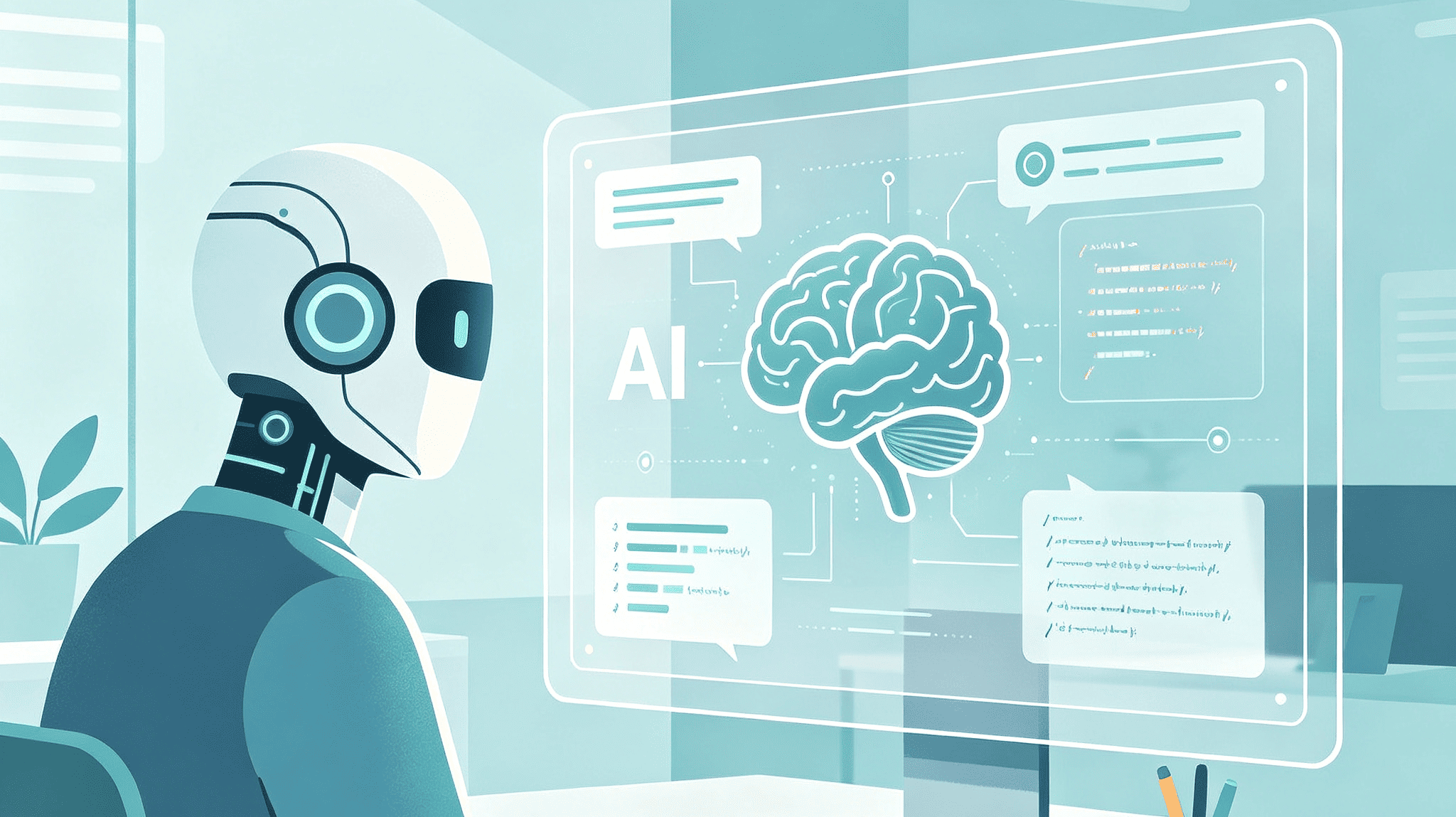
In the mid-2020s, the boundary between the wielder and the tool has become increasingly porous. The rise of neural-interface software and haptic-feedback systems means that wielding a digital tool now feels as intuitive as wielding a hammer. However, the complexity of these tools has increased exponentially. When a technician is wielding a diagnostic AI to repair a complex energy grid, they are not just clicking buttons; they are collaborating with a system that possesses its own internal logic.
Effective wielding in this context demands a balance of technical proficiency and creative intuition. The tool provides the capability, but the wielder provides the direction. We see this in the creative industries, where artists are wielding generative algorithms to produce immersive realities. The most successful among them are those who treat the AI not as a replacement for skill, but as a high-tension instrument that requires constant adjustment and oversight. There is a perceptible difference between an amateur using a tool and a master wielding it: the latter exhibits a flow state where the instrument becomes an extension of the self.
The Strategic Exercise of Power and Authority
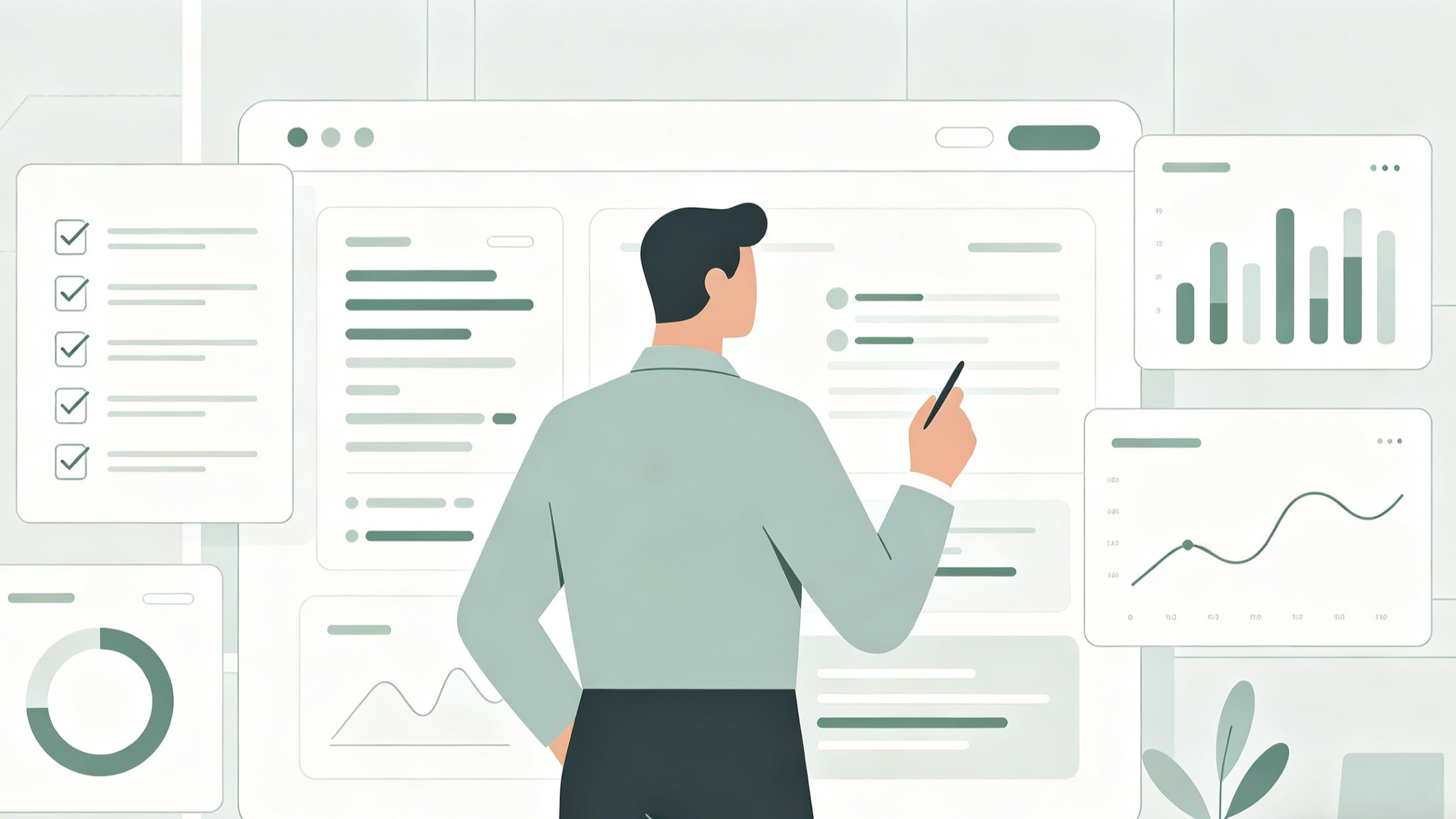
Beyond physical objects, the most potent form of wielding in 2026 involves the exercise of power and influence. Power-wielding institutions—from corporate boards to decentralized autonomous organizations (DAOs)—find themselves in a landscape where transparency is the default. Consequently, the "heavy-handed" approach to authority is losing its efficacy. Wielding power today is less about command and more about the strategic alignment of interests.
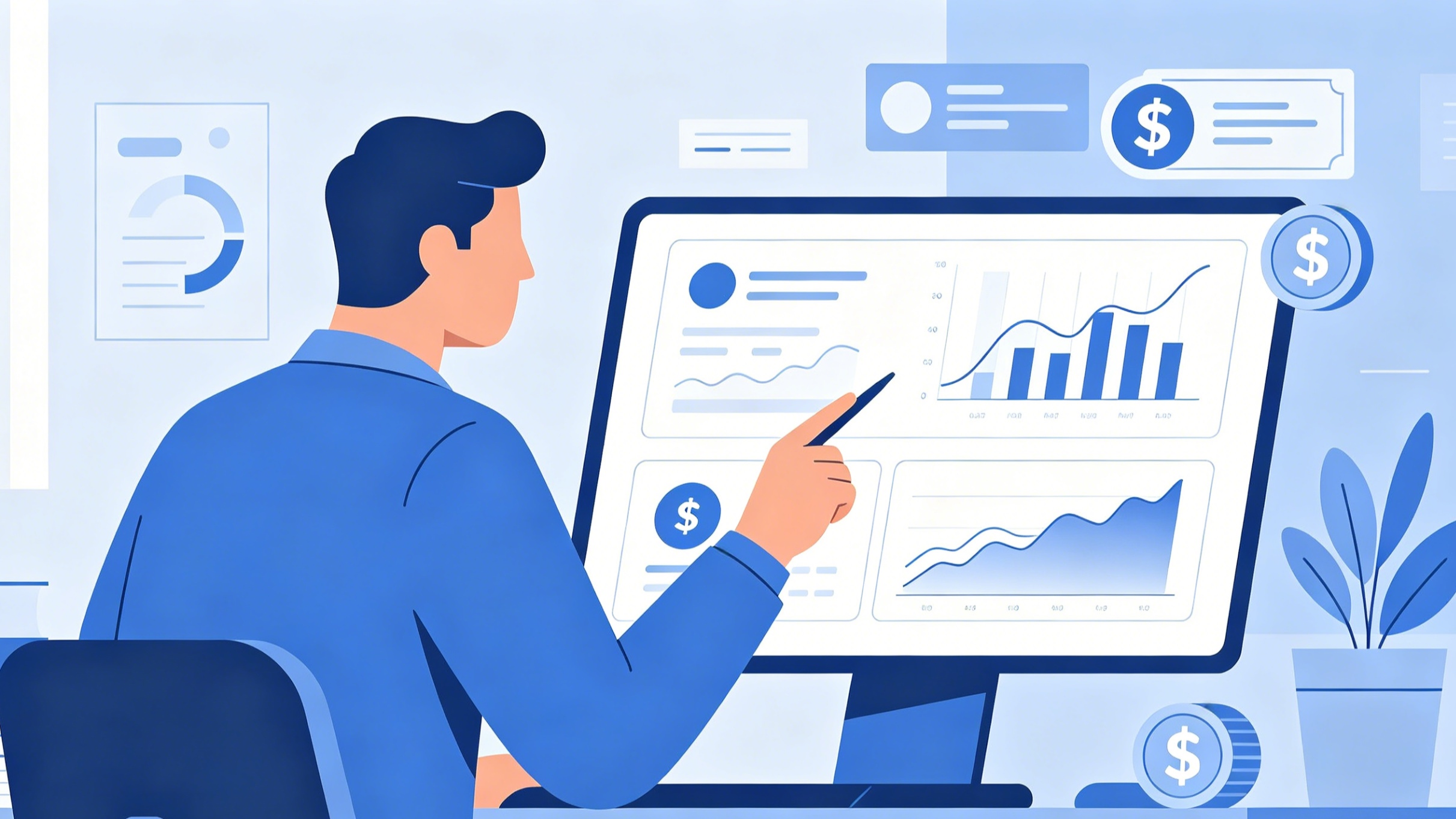
When a leader is wielding influence within a large organization, they are essentially managing a complex web of narratives. This is not a passive state of being "in charge"; it is an active, daily practice of shaping perception and directing energy. The modern wielder of authority recognizes that power is a fluid resource. It can be gained through expertise, but it can also be dissipated through the misuse of the very tools intended to maintain it. For instance, wielding data as a weapon for surveillance often leads to a breakdown in the trust necessary for sustainable growth. Instead, those who wield data as a mirror for organizational health tend to see more resilient results.
The Psychology of the Wielder
What separates a successful wielder from someone who is merely overwhelmed by their resources? The answer lies in the cognitive framework of intent and control. To wield something effectively, one must possess a clear objective. Without intent, a weapon is a hazard and a tool is an ornament.
Psychologically, wielding requires a high degree of "proprioceptive awareness"—not just of one's body, but of one's sphere of influence. In the digital realm, this means understanding the ripple effects of a single action. When a developer is wielding a codebase that affects millions, the cognitive load is immense. The ability to manage this load without losing sight of the human element is what defines the elite practitioners of the current decade. There is also a significant emotional component; the confidence to wield power without the arrogance of presumed entitlement is a rare but essential trait for long-term stability.
Ethical Responsibility and the Weight of Action
There is an inherent moral weight to the act of wielding. As tools become more powerful, the potential for collateral damage increases. In 2026, the conversation around wielding technology and influence has shifted toward accountability. It is no longer enough to be a "wielder of great things"; one must be a responsible steward of those things.
Consider the wielding of algorithmic filters in social media. These systems have the power to shape the reality of entire demographics. Those wielding these algorithms—the engineers and the executives—must grapple with the ethical implications of their design choices. A nuanced approach to wielding power involves acknowledging the limitations and the potential biases of the instrument. It requires a willingness to put the "sword" back in the scabbard when the situation demands restraint rather than force. Mastery is as much about knowing when not to wield as it is about knowing how to do so.
Navigating the Geopolitical Landscape
On a global scale, we observe nations wielding "soft power" through cultural exports, technological standards, and environmental initiatives. The era of wielding purely military might is being supplemented, and in some cases replaced, by the wielding of economic dependencies and digital infrastructure. Countries that are successful in this regard are those that understand how to wield their unique strengths to create mutual value rather than just dominance.
For example, a nation wielding its leadership in renewable energy technology can influence global policy more effectively than one relying solely on traditional diplomacy. This form of wielding is patient and iterative. it involves the long-term cultivation of assets that eventually become indispensable to others. In this sense, wielding is synonymous with building leverage.
Developing the Skill: How to Become an Effective Wielder
For the individual looking to improve their ability to wield the tools and influences at their disposal, several practical steps can be considered:
- Deep Technical Fluency: One cannot wield what one does not understand. Whether it is a programming language, a financial instrument, or a physical tool, the first step is to achieve a level of competence where the mechanics become secondary to the objective.
- Intentionality Training: Practice making deliberate choices in low-stakes environments. Before engaging with any tool or power, clearly define what the desired outcome is. This builds the mental muscle memory for more significant challenges.
- Impact Mapping: Develop the habit of analyzing the secondary and tertiary effects of your actions. If you are wielding influence in a meeting, what are the long-term effects on the team's morale? If you are wielding a new software solution, how does it affect the workflow of others?
- Cultivating Restraint: The most powerful wielders are those who demonstrate the most control. Identify situations where the most effective action is silence or inaction. This increases the perceived value of your active interventions.
Conclusion: The Future of Wielding
As we look toward the remainder of the 2020s, the nature of wielding will continue to transform. We are moving toward a world of "augmented wielding," where human intent is amplified by intelligent systems. In this future, the primary skill will not be the manual operation of tools, but the high-level orchestration of complex processes.
The word "wielding" will always carry with it the ghost of the sword and the hammer, a reminder of our physical origins. But its modern application is a testament to the expansion of the human will. Whether we are wielding a line of code, a corporate strategy, or a social movement, the principles of skill, intent, and responsibility remain our most reliable guides. To be a wielder is to be an active participant in the shaping of the world, rather than a passive observer of its changes. The responsibility is heavy, but the potential for positive impact is unprecedented.
-
Topic: WIELDING | English meaning - Cambridge Dictionaryhttps://dictionary.cambridge.org/dictionary/english/wielding
-
Topic: WIELDING Definition & Meaning - Merriam-Websterhttps://www.merriam-webster.com/dictionary/wielding?dir=b&lang=en_us
-
Topic: WIELDING Definition & Meaning - Merriam-Websterhttps://www.merriam-webster.com/dictionary/wielding?dir=w&lang=en_us