Home
How to Find and Defeat Tempered Monsters in Monster Hunter Wilds
Tempered monsters in Monster Hunter Wilds are battle-hardened variants that appear after the main story. They feature a metallic sheen, purple map icons, and significantly higher HP and damage. To succeed, players must target Blue Tempered Wounds to trigger knockdowns and farm Wyverian Bloodstones . Progression is gated by Hunter Rank (HR), with major milestones at HR32, HR40, and HR100. For those seeking the highest challenge, Arch-Tempered variants of Apex Predators offer top-tier Gamma armor sets.
What Makes Tempered Monsters Different in Monster Hunter Wilds?
In the ecosystem of Monster Hunter Wilds , Tempered monsters represent the "battle-hardened veterans" of the Forbidden Lands. Unlike the bioenergy-infused variants seen in previous titles, these creatures are lore-defined as survivors of prolonged struggles. According to the Monster Hunter Wiki , their emergence is directly linked to the environmental shifts following the death of Zoh Shia, which triggered a massive energy efflux from the Dragontorch.
Visually, you can identify a Tempered monster by its distinctive metallic sheen and the presence of white and blue battle scars across its hide. When tracking these threats, your Scoutflies will glow purple instead of the standard green, and their icons on the mini-map will be shadowed with a purple hue. These visual cues are essential for distinguishing a standard hunt from a high-stakes endgame encounter.
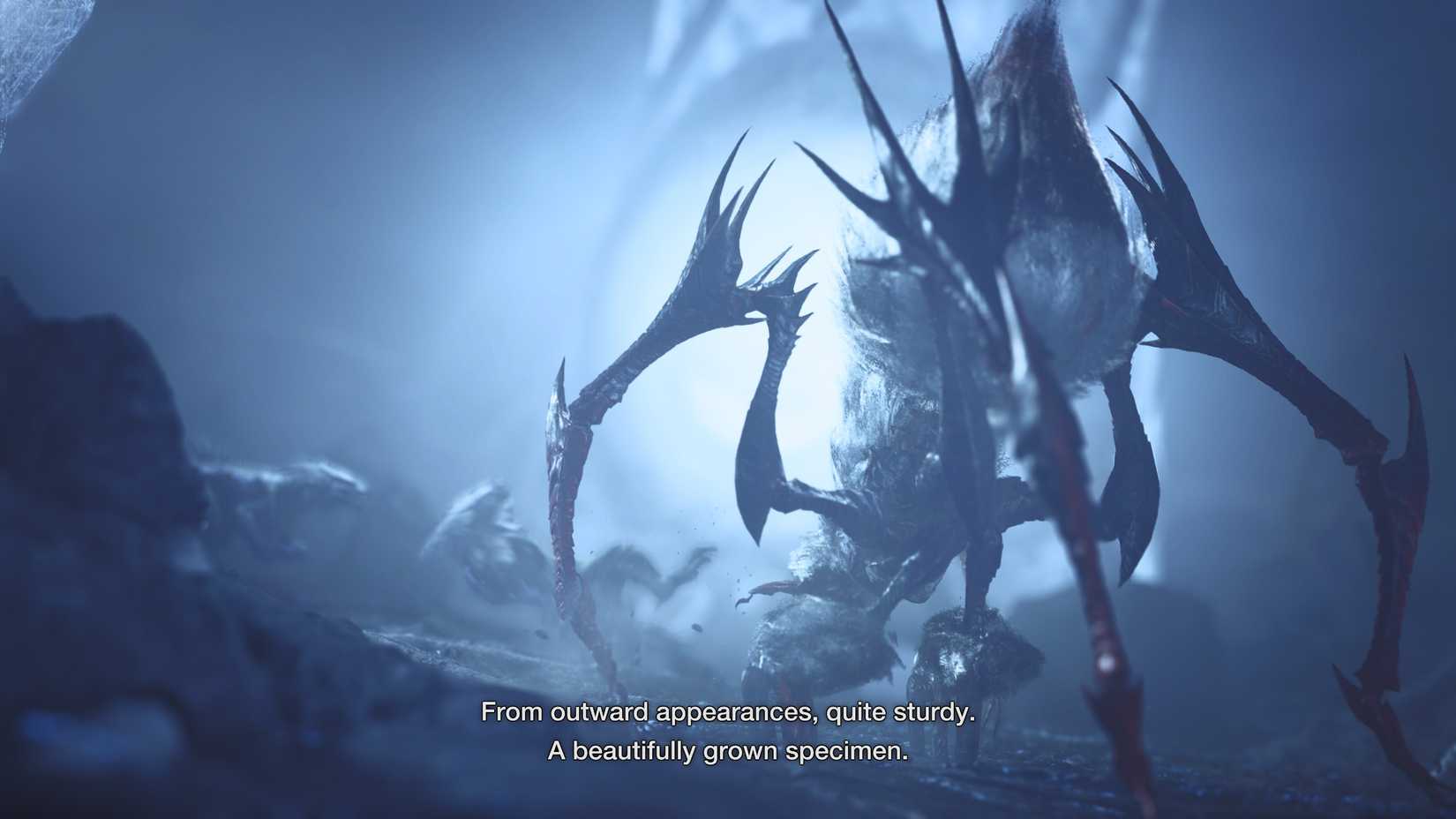
Image source: TheGamer
Mechanically, Tempered monsters scale aggressively. They possess higher health pools, faster attack animations, and significantly reduced stagger windows. In the highest difficulty tiers, they also gain increased resistance to status ailments like Sleep and Paralysis, forcing hunters to rely more on raw mechanical skill and environmental interaction rather than crowd-control cheese strategies.
| Feature | Normal Monster | Tempered Monster | Arch-Tempered |
|---|---|---|---|
| HP Multiplier | 1.0x | 1.5x - 2.2x | 3.0x+ |
| Damage Output | Standard | High (One-shot potential) | Extreme |
| Wound Type | Red (Standard) | Blue (Tempered) | Glowing White/Blue |
| Status Resistance | Low | Moderate | High |
| Unique Loot | Standard Mats | Hunter Symbols / Shards | Gamma Armor Tickets |
How to Trigger and Exploit Tempered Wounds
The most significant mechanical addition in Wilds is the Tempered Wound system. While standard monsters develop red scars that can be exploited for extra damage, Tempered monsters feature a two-stage wound mechanic. Initially, attacking a specific body part will open a grey scar. Continued pressure on this area will cause the scar to erupt into a glowing blue "Tempered Wound."
According to IGN's gameplay analysis , these blue wounds are the key to managing the increased aggression of endgame targets. Hitting a blue wound with a Focus Strike deals massive localized damage and is almost guaranteed to result in a knockdown or a significant flinch. This is particularly important for weapons with long animation commitments, such as the Great Sword or Heavy Bowgun, as it provides the only reliable openings during a 9-star hunt.
Furthermore, these wounds are the primary source of Wyverian Bloodstones . These rare materials are required for high-end melding and weapon augmentations. If you slay a monster without successfully destroying its blue wounds, your chances of obtaining a Bloodstone drop significantly. Precision is no longer just about damage efficiency; it is the foundation of your endgame economy.
How to Unlock Every Tier of Tempered Monster Quests
Progression in the Monster Hunter Wilds endgame is structured around Hunter Rank (HR) milestones and specific "gatekeeper" quests. You cannot simply jump into the highest difficulty; you must prove your worth through three distinct tiers of challenge.
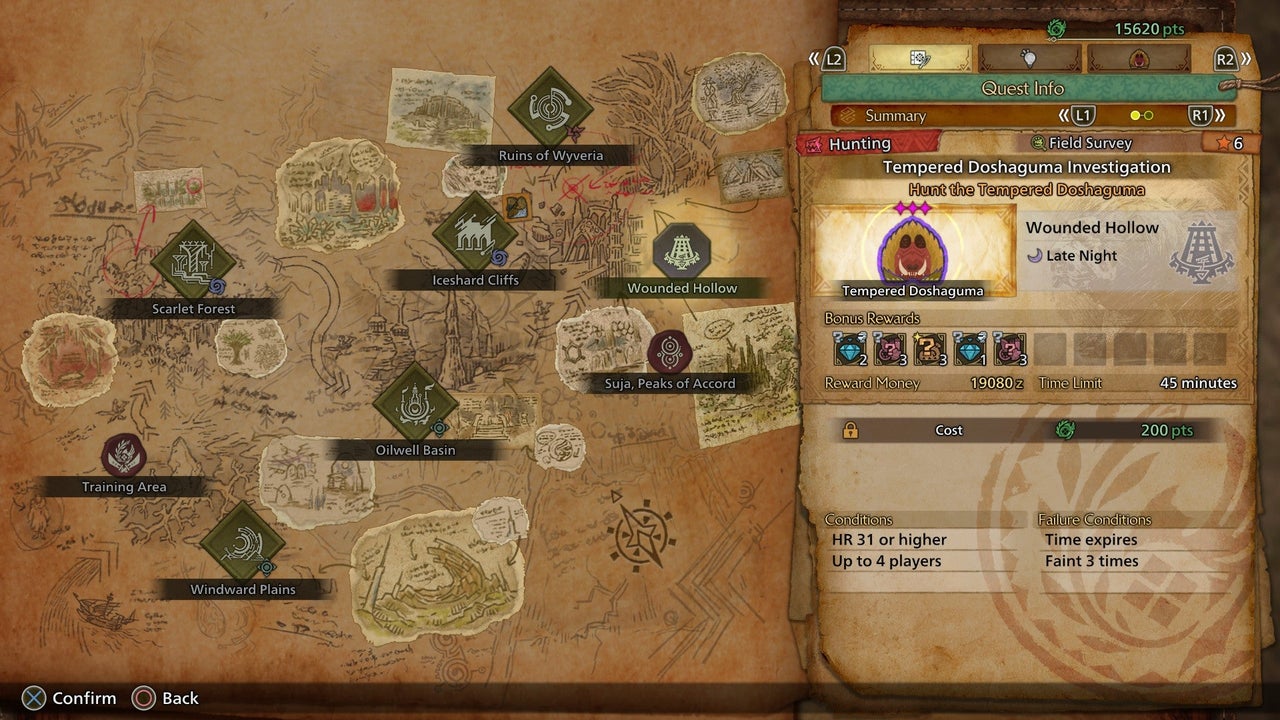
Image source: IGN
How to Fix the Missing Normal Monster Map Problem
A common point of frustration among the community involves the "Endgame Map State." As players progress deep into the Tempered tiers, they often find that standard 6-star monsters seem to disappear from the open world, replaced entirely by their 8-star Tempered counterparts. This makes farming basic materials for new weapon trees or low-level armor surprisingly difficult.
To resolve this, you must utilize the Farming Toggle strategy. While the open-world "Expedition" mode may be locked into a Tempered state based on your current HR and world progress, Optional Quests and Field Surveys remain static. If you need standard Rathalos scales, do not look for one in the wild; instead, post a specific Field Survey for a non-tempered Rathalos. This forces the game to spawn the standard version of the monster regardless of your world's current Tempered status.
Additionally, be mindful of your Investigation Management . As you collect tracks from Tempered monsters, your investigation list will quickly fill up with purple-icon quests. These will eventually overwrite your older, non-tempered investigations. It is highly recommended to "register" a few standard investigations for each major monster to ensure you always have access to basic materials without having to rely on the RNG of Field Surveys.
The Best Progression Path for Arch-Tempered Monsters
Arch-Tempered (AT) monsters represent a significant step up from standard Tempered threats. In Wilds , the AT state is no longer exclusive to Elder Dragons; Apex Predators like Rey Dau and Uth Duna can now reach this 10-star difficulty level. Because these fights are exceptionally punishing, the community has identified a specific progression path to help hunters gear up efficiently.
According to expert community discussions , the recommended hunt order is as follows:
- Rey Dau (AT): Start here. The Rey Dau armor set (specifically the Head, Arms, and Waist) offers some of the highest raw defense values in the game and provides essential skills for surviving subsequent AT hunts.
- Uth Duna (AT): Once you have Rey Dau gear, move to Uth Duna. The Uth Duna Legs are widely considered a top-tier choice for Great Sword and Long Sword builds due to their unique skill distribution.
- Nu Udra (AT): This fight is a significant difficulty spike. It is recommended to craft the "Adaptable 2" skill decorations before attempting this, as Nu Udra utilizes unique environmental mechanics that can quickly overwhelm unprepared hunters.
- Jin Dahaad (AT): The final challenge for many, providing the materials for niche "Foray" builds and the most advanced elemental sets.
When deciding which AT monster to prioritize, consider your weapon type. If you rely on heavy physical damage, Rey Dau is your priority. For elemental or status-focused builds, Uth Duna and Jin Dahaad offer more specialized benefits. Always ensure your armor is fully augmented before stepping into a 10-star arena.
Mastering the Artian Economy and Weapon Shards
The endgame of Monster Hunter Wilds revolves heavily around the Artian Economy . Artian gear is unique because it cannot be crafted through traditional monster parts alone; it requires Weapon Shards and specific appraised items from the Melding Pot. These shards are tiered based on the Threat Level of the Tempered monster you are hunting.
The workflow for securing Rarity 8 Artian gear involves a multi-step process:
- Farm Threat Level 7+ Investigations: These provide the highest quality Weapon Shards.
- Utilize the Melding Pot: Take your shards to the Melding Pot in the Research Base. At HR100, a new appraisal system is unlocked that allows you to target specific gear pieces.
- The "Broken Blade" Strategy: Many veteran players focus on appraising the "Broken Blade" items. These have a higher statistical probability of yielding the components needed for Artian Gamma armor, which ranks among the top defensive options for endgame survival.
Image source: GameSpot
By bypassing the standard RNG through targeted appraisals, you can complete your endgame builds much faster. This economy is the primary reason why farming HR100 Tempered monsters is more efficient than repeatedly hunting lower-tier Arch-Tempered variants for basic materials.
Advanced Combat Tips for 9-Star Tempered Threats
Hunting 9-star Tempered monsters requires a shift in mindset. You can no longer trade hits with the monster, as even basic attacks can deplete 60-70% of your health bar. One of the most dangerous threats in this tier is the Tempered Gore Magala . Veteran players often refer to its new animation cancel as the "Slap of God." It can transition from a wing-arm slam directly into a breath attack with almost zero recovery frames, making it a top-tier threat for even the most experienced hunters.
To survive these encounters, you must leverage the Wilds weather systems. During Sandstorms or Lightning strikes, Tempered monsters take increased environmental damage and are more susceptible to knockdowns from falling rocks or lightning rods. Positioning the monster near these hazards can supplement your damage output, which is crucial given their massive HP pools.
Finally, pay close attention to Status Ailment Resistance . In 9-star hunts, a monster that could be put to sleep twice in a standard hunt may only succumb once, and the duration will be significantly shorter. Plan your item usage accordingly—save your Sleep or Paralysis for the monster's "Enraged" state to cancel out their most dangerous attack windows.
Frequently Asked Questions
Yes, Tempered monsters can be captured just like their normal counterparts. However, there is a trade-off. While capturing provides more general materials, slaying and breaking the Blue Tempered Wounds offers a higher statistical chance of obtaining Wyverian Bloodstones. Most players recommend slaying if you are specifically farming for Bloodstones, but capturing is fine for general shard farming.
Tempered monsters are stronger versions of standard creatures found in 8-star and 9-star investigations. Arch-Tempered (AT) monsters are a specific tier of 10-star difficulty, often featuring unique mechanics, metallic color shifts, and the ability to drop tickets for Gamma armor sets. AT monsters are currently the highest level of challenge available in the game.
While they don't typically have entirely new movesets, they utilize "animation cancels" and increased speed. A Tempered monster might follow up an attack much faster than a normal one, or skip the "wind-down" animation of a heavy hit. This makes their behavior feel more aggressive and less predictable than standard variants.
Hunter Symbol III is a rare drop from Tier 3 Tempered monsters (Threat Level 7 and above). You must reach HR40 and complete the quest "What Lies Ahead" to begin seeing these rewards. They are primarily used for crafting Rarity 8 weapons and augmenting endgame armor sets.
Purple Scoutflies indicate that you are tracking a Tempered monster. This is a visual aid to help you identify high-threat targets in the open world. If you see purple flies while on an expedition, be prepared for a significantly harder fight than usual.
Key Takeaways for Mastering the Endgame
- Reach HR100 to unlock the full roster of 9-star Tempered monsters and the advanced Artian appraisal system.
- Prioritize Blue Wounds during combat to guarantee knockdowns and maximize your chances of getting Wyverian Bloodstones.
- Follow the AT Path by hunting Rey Dau first to secure high-defense armor before moving on to Uth Duna and Nu Udra.
- Use Field Surveys to farm normal monster materials if your open world has become "locked" into a Tempered state.
- Manage Status Resistance by saving your crowd-control items for the monster's enraged phases, as thresholds are much higher in 9-star hunts.
- Leverage Weather Hazards like lightning and sandstorms to deal supplemental damage to high-HP endgame targets.
Start by checking your current Hunter Rank and completing any outstanding "Hunter Symbol" gatekeeper quests to ensure you have access to the most lucrative investigations.
All trademarks, copyrighted content, and quoted material referenced in this article belong to their respective owners. Brief excerpts are used under fair use (17 U.S.C. § 107) for purposes of commentary, criticism, and informational reporting. This article is not affiliated with or endorsed by Capcom.